Meaningful Ocean Spatial Planning and Inclusive Co-design

SOUTH AFRICA ACTION REQUEST
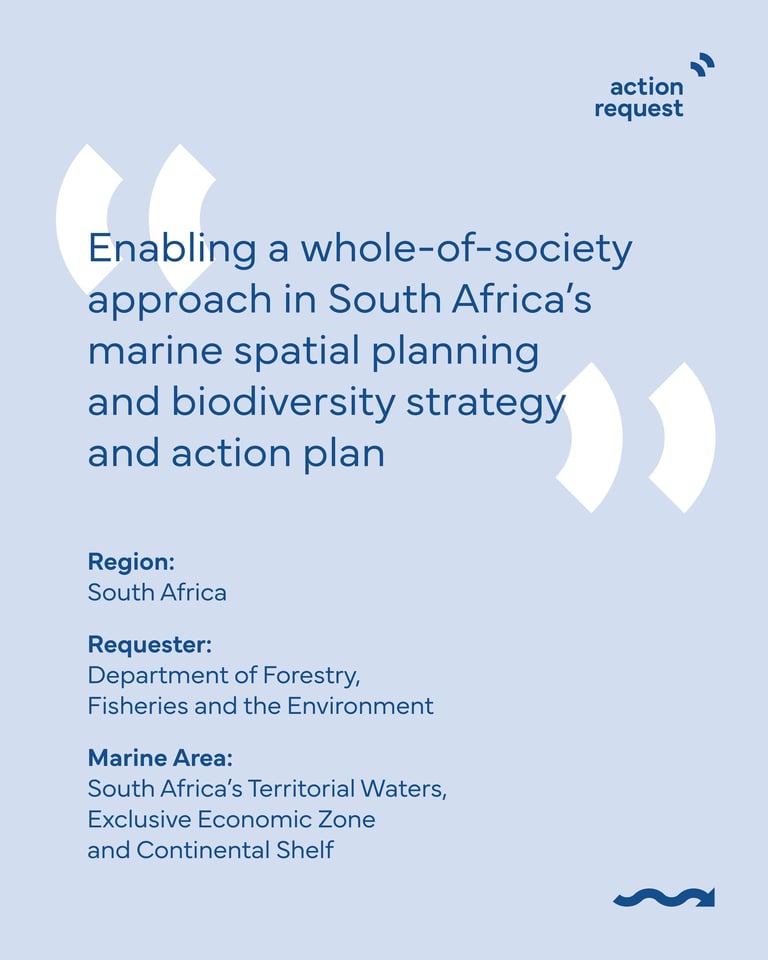
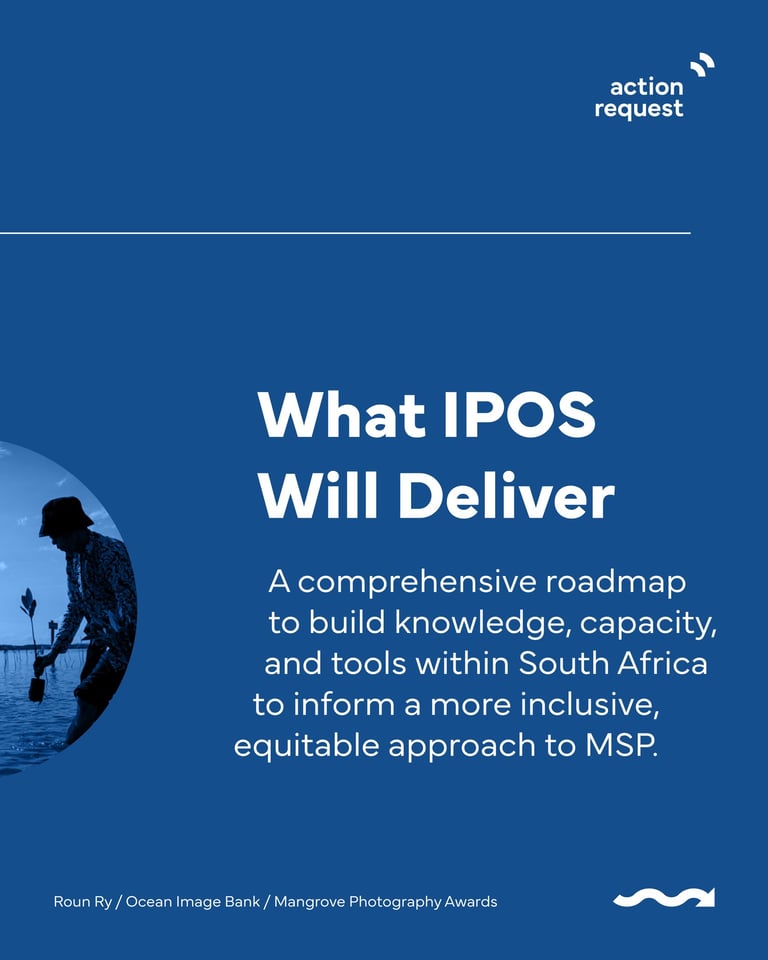
MOSAIC is endorsed as a Project of the UN Ocean Decade
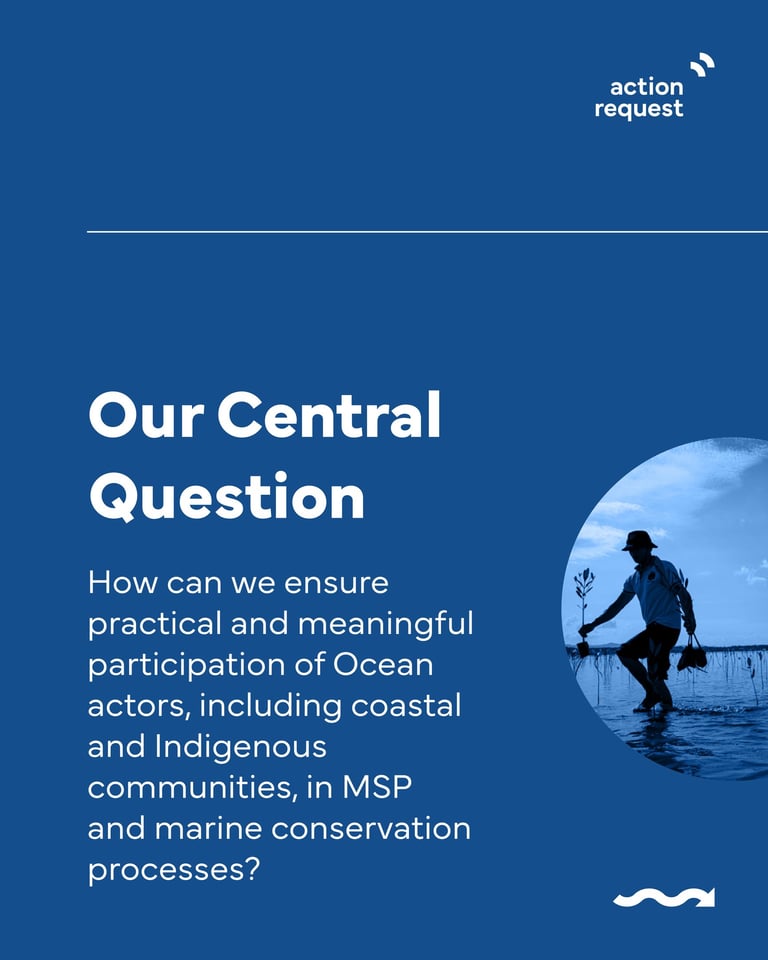
MOSAIC has been officially endorsed as a project of the UN Decade of Ocean Science for Sustainable Development 2021–2030 (UN Ocean Decade). The Action was endorsed on 1 September 2026 and will be attached to the endorsed Decade Programme “Western Indian Ocean Marine Conservation Program (MARCOP)”. This regional connection provides an important opportunity to situate MOSAIC’s work on inclusive Marine Spatial Planning within the wider Western Indian Ocean context, recognising that effective and equitable ocean governance needs to respond to both national and local realities and shared regional challenges. Through its focus on whole-of-society participation, stakeholder engagement, and the integration of Indigenous and local knowledge, MOSAIC will contribute South African experience and lessons to exchanges across the wider region.


Meet the team
Local Facilitator
Belinda Clark
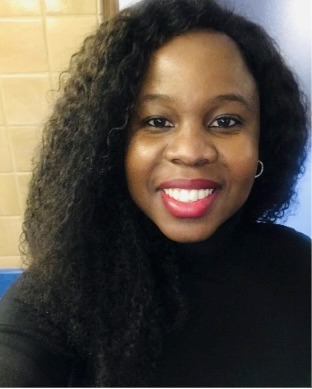
Belinda is an environmental management and sustainable development practitioner with extensive experience in coastal and terrestrial ecosystems, climate resilience, and stakeholder engagement. With a background in environmental science and a PhD in Botany from Nelson Mandela University, she has worked across research, consultancy, and community-based initiatives, supporting collaborative approaches to sustainable development planning. Her work focuses on facilitating inclusive processes that bring together diverse stakeholders to co-develop context-specific solutions for climate adaptation and the preservation of natural resources.
Core Hybrid Working Group
Dr Aaniyah Martin
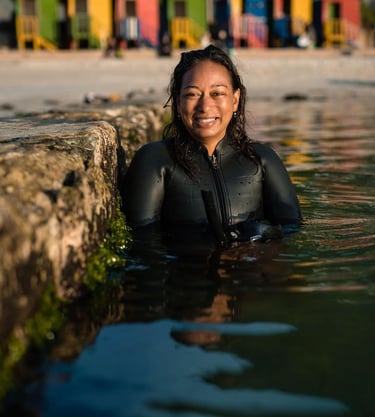
Aaniyah is a conservation professional, researcher, and facilitator with over 20 years of experience working at the intersections of environmental protection, social justice, and care-based conservation, and is currently a postdoctoral fellow in Women and Gender Studies at the University of the Western Cape focused on Blue Humanities and hydrocommons.
Pr Ana M Queirós
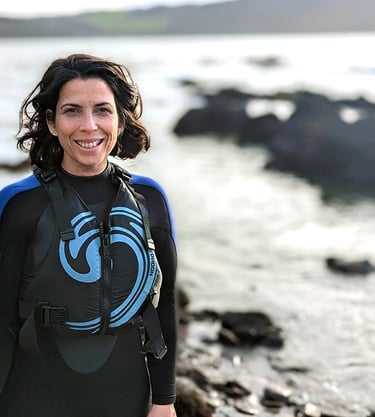
Ana has extensive expertise in leading co-developed and transdisciplinary research with ocean policy and marine sector practitioners in the UK and internationally, focusing on sustainable ocean management, particularly climate-smart MSP, MPAs, and blue carbon conservation. Alongside active research projects and international working groups, she holds expert and advisory roles in initiatives linked to UNESCO-IOC and the UN Ocean Decade. She has advised the Crown Estate, governments, and NGOs on marine planning, fisheries management, and marine protected areas. Ana also leads the international initiative Assisted Spatial Planning Addressing Climate Effects and is an honorary professor at the University of Exeter’s Faculty of Environment, Science and Economy.
Dr Buhle Francis
Buhle is a Senior Researcher and transdisciplinary scholar-activist at the Centre for Integrated Post-School Education and Training (CIPSET) at Nelson Mandela University, South Africa. Her work explores the links between community education, ocean governance, gender, livelihoods, climate resilience, and social justice, with a focus on coastal communities, particularly small-scale fishers, women, and youth. She is committed to co-producing knowledge with communities and advancing inclusive ocean sustainability approaches across Africa and the Western Indian Ocean region. She is a co-founder of the Coastal Justice Network (CJN) and serves on the Technical Committee of the Hifadhi Blu Programme at WIOMSA.


Buntu Duku
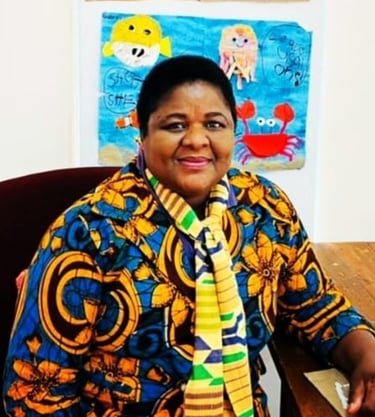
Hailing from rural King William’s Town; Eastern Cape, Buntu is a spoken word artist, vocalist, and heritage advocate whose work bridges storytelling, music, and cultural memory. Through his performances and writing, he explores African identity, generational wisdom, and the relationship between people and place. As co-founder of the Ivanya Yethu Heritage Foundation, he champions the preservation of oral histories and cultural heritage. He currently contributes to the IPOS MOSAIC ocean sustainability project, bringing creative perspectives and documenting engagements.
Dr Denning Metuge
Denning is a Senior Lecturer at the Institute of Marine and Environmental Law at the University of Cape Town, where he teaches the Law of the Sea and International Environmental Law. His research and advisory work focus on ocean governance, marine spatial planning, integrated coastal management, marine protected areas, and the rights of coastal and small-scale fishing communities. He has contributed to major ocean governance initiatives across Africa, including projects supported by UNEP, the World Bank, and WildTrust, with a particular focus on the legal dimensions of marine spatial planning in South Africa, Kenya, and Madagascar. He has published extensively on MSP, indigenous knowledge in ocean governance, and maritime law.
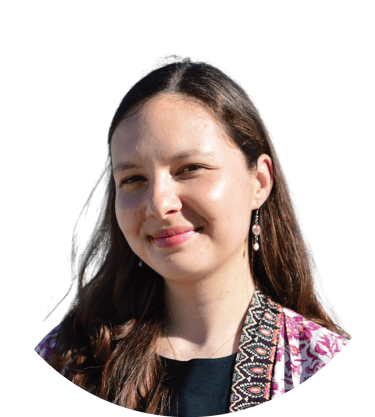
Jerry Mngomezulu
X
X
X
Juan Pierre
Juan Pierre is a legal scholar specialising in international human rights and environmental law, with a focus on ocean governance in small island and coastal states. He serves as Global SIDS Focal Point for the UN Major Group for Children and Youth, representing 39 Small Island Developing States, and is an expert on the UNFCCC Article 6.4 Supervisory Body and an IPCC Expert Reviewer. His policy work has secured investment for Blue Economy development and expanded access to essential public services in Mauritius. He is a recipient of the WIN WIN Gothenburg Sustainability Award and the King Hamad Youth Empowerment Award for the SDGs."
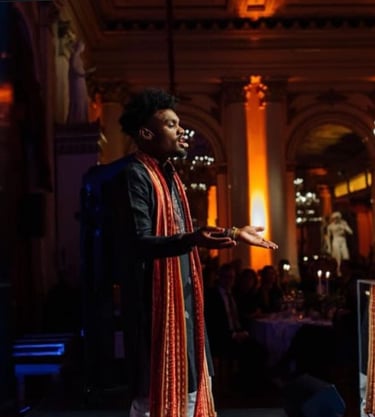
Loyiso Dunga
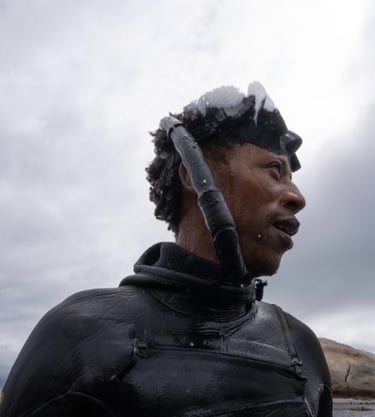
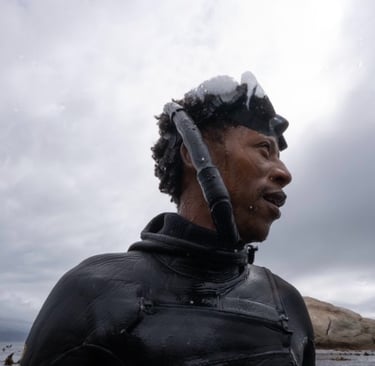
Loyiso is a marine biologist and kelp forest specialist whose work bridges science, Indigenous Knowledge, and ocean policy. Affiliated with the South African National Biodiversity Institute, he produced South Africa’s first comprehensive kelp forest ecosystem map and pioneered the mapping of Areas of Cultural Significance for Marine Spatial Planning. For the past five years, he has led The Seas of Good Hope, a programme dedicated to safeguarding South Africa’s marine cultural heritage, globally significant biodiversity, and phenomena such as the Sardine Run. He serves on the South African Marine Ecosystems Committee, is an Authority Coordinator for the IUCN Seaweed Specialist Group, and is a research affiliate at Nelson Mandela University and an Edinburgh Ocean Leader.
Dr Mia Strand
Mia Strand is a marine social scientist, specialising in transdisciplinary knowledge co-production for more equitable ocean governance processes. She has more than ten years experience with participatory and arts-based research, and has for the past years particularly focused on opportunities for more participatory and socially just marine spatial planning in the Western Indian Ocean region. She forms part of several national and international processes, and co-wrote the UN Third World Ocean Assessment (WOA III) Chapter “Equity, Justice, and Human Rights in the Ocean” , sat on the International Science Council UN Ocean Conference Expert Group and led the Ocean Panel Blue Paper on Co-producing Sustainable Ocean Plans with Indigenous and Traditional Knowledge Holders.


Dr Nina Rivers
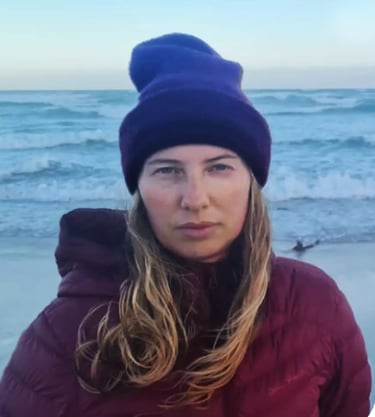
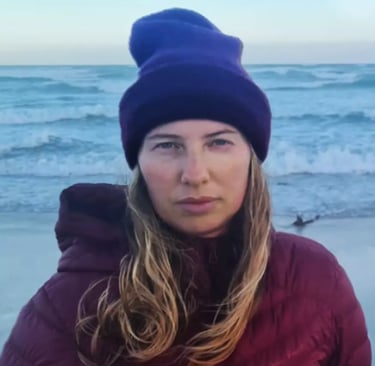
Nina is an ocean governance practitioner with a background in environmental education and cultural anthropology. She has over eight years of experience in ocean governance in South Africa and in other parts of Africa. She specialises in knowledge integration and designing and facilitating participatory rightsholder and stakeholder engagement processes for transformative ocean governance. She is the current South African country coordinator for the Western Indian Ocean Marine Science Association (WIOMSA) as well as a research associate with the Institute for Coastal and Marine Research at Nelson Mandela University.
Dr Philile Mbatha
Dr Philile Mbatha is a Senior Lecturer in the Environmental and Geographical Science Department at the University of Cape Town. Philile is the Deputy Director of One Ocean Hub and sits on various ocean governance-related advisory committees, including the UN Ocean Decade Advisory board. She has over 10 years’ experience conducting transdisciplinary research focusing on broader themes of coastal and ocean governance; including conservation, blue economy, sustainable livelihoods, sustainable development and social justice.
Sinegugu Zukulu
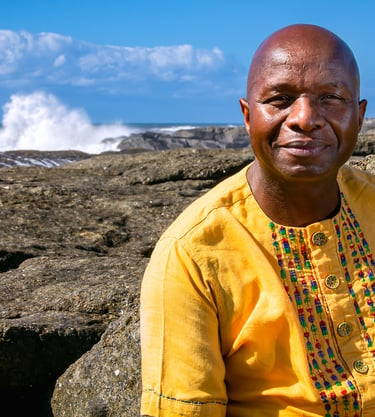
Sinegugu Zukulu is a dynamic, inspiring and deeply committed educator, storyteller, African Indigenous Knowledge specialist, social and environmental activist. He holds a Master of Philosophy in Environmental Management degree. He has more than two decades of activism advocating for human and environmental rights in rural South Africa. He is a 2024 recipient of Goldman Environmental Prize and various other South African national environmental awards.
Specialist advisors
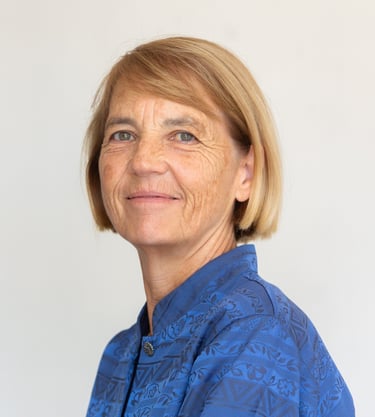
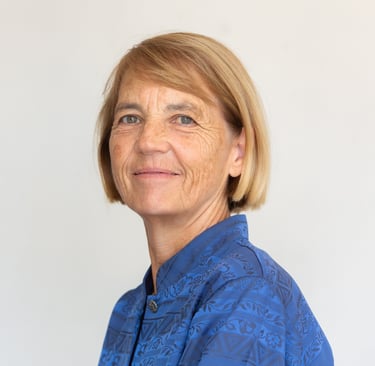
Judy Beaumont
Judy Beaumont holds an M.Phil. in Environmental Science, a B.A. in African Studies, and a B.A. in English & Industrial Psychology from the University of Cape Town. With 30 years of experience in environmental sustainability, ocean and coastal management, and climate change response, she is currently Director at the International Ocean Institute of Southern Africa. Judy is also a Board Member of Rabia Transitions, working on a just and inclusive financial ecosystem. Previously, she served in the South African Government, providing leadership in the Branch: Oceans and Coasts, and, prior to that, on Climate Change, both in the Department of Forestry, Fisheries and the Environment (DFFE).
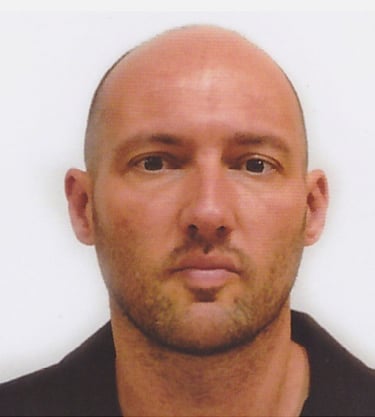
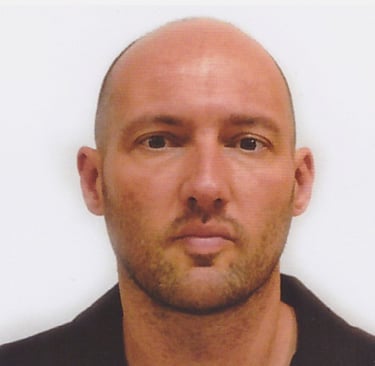
Dr Stephen Holness
Dr Stephen Holness is a Conservation Planning Scientist with over 25 years of experience in systematic conservation planning, focusing on MSP, protected area management, and marine biodiversity assessment. He has provided technical leadership for MSP in South Africa, Namibia, Angola, Kenya, Tanzania and the Arabian Peninsula. His expertise includes spatial prioritization for fisheries, biodiversity, and other marine sectors, using advanced GIS and tools like MARXAN. He contributed to the South African National Coastal and Marine Spatial Biodiversity Plan and led projects delineating Ecologically and Biologically Significant Marine Areas (EBSAs) in the Benguela Large Marine Ecosystem.
Stakeholder team
Abigail Bahindwa,
Stakeholder Lead for the Eastern Cape learning site
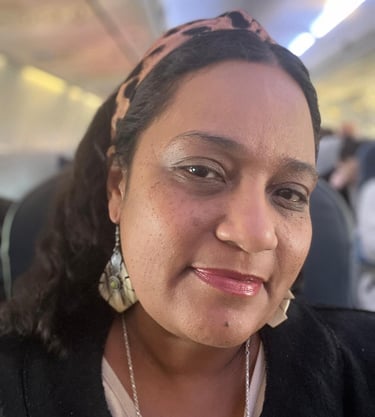
Abigail Bahindwa is an experienced environmental management practitioner in South Africa with an MSc in Botany, approximately 20 years work experience in the fields of biodiversity conservation, environmental management, social process facilitation and stakeholder management. Most of my experience in capacity development and stakeholder engagement has been developed in the fields of biodiversity conservation (terrestrial ecosystems), environmental management and climate change and has involved me working with many different stakeholder groups, including government, local municipal, civil society, academia, business and the local community.
Palesa Ntsala,
Co-facilitator for the Eastern Cape learning site
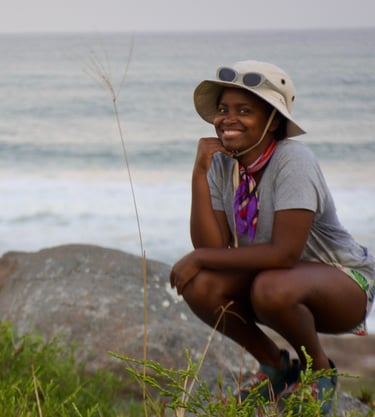
Palesa Ntsala is a facilitator, systems thinker, and founder of The Wealth Studio. She designs and facilitates collaborative processes that bring together people, organisations, communities, and knowledge systems that do not often work together, but whose decisions and actions affect one another. Her work is informed by a deep curiosity about how people relate to each other, to place, and to the systems they are part of. Through this work, she explores how stronger connections can support stewardship, livelihoods, and more resilient futures.
First MOSAIC Hybrid
Working Group Workshop
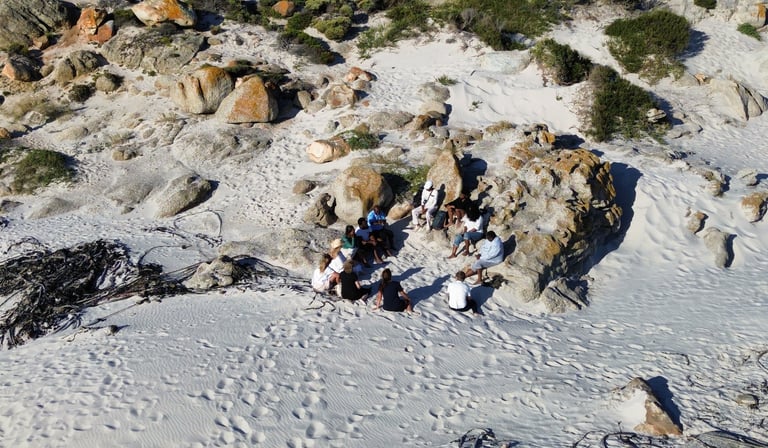
In March 2026, the MOSAIC IPOS Hybrid Working Group came together in the Western Cape for its first workshop, marking the beginning of a collaborative journey to support a whole-of-society approach to Marine Spatial Planning and governance in South Africa.
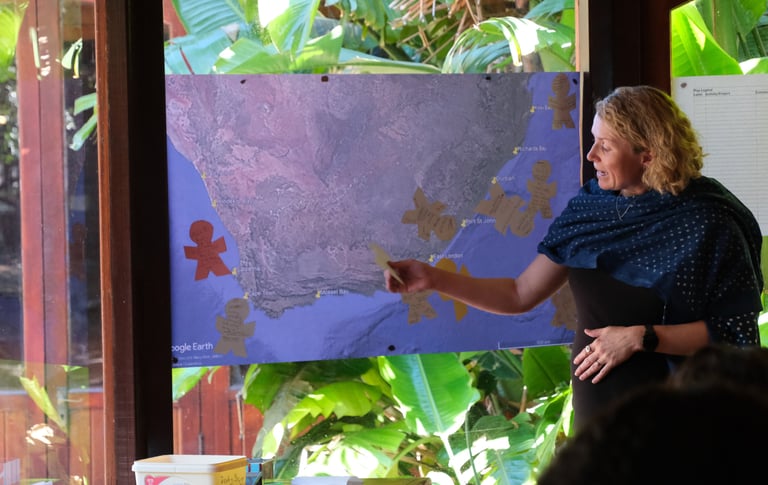
Convened under the IPOS, and in partnership with the Department of Forestry, Fisheries and the Environment (DFFE), the 2-day workshop brought together a diverse group of stakeholders connected to ocean sustainability.
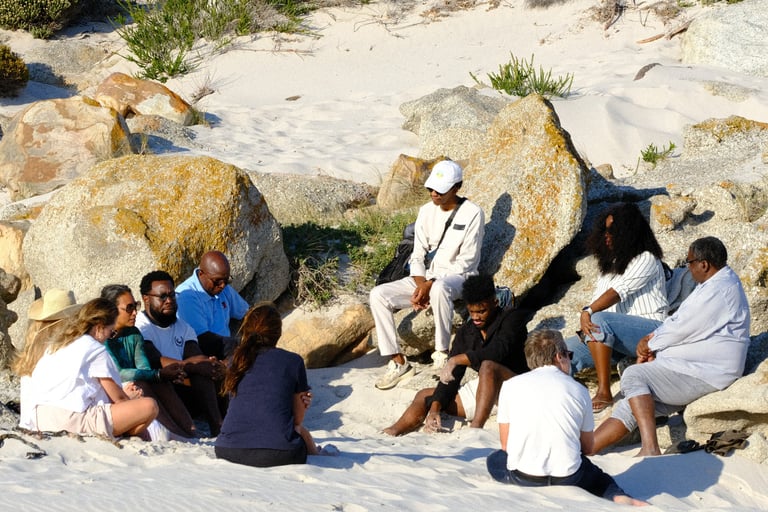
The first day focused on building connections, with one another and with the coastal and marine ecosystem. Through dialogue and shared reflection, participants explored what a whole-of-society approach means in practice, the purpose and process of Marine Spatial Planning, and its link with Operation Phakisa. We discussed the current baseline to better understand gaps between the ocean communities, policy, and drivers of change.
On the second day, our attention turned to shaping the path ahead, exploring tools like the Ocean Equity Index and ASPACE, identifying coastal study areas in four different provinces for future engagement, and developing approaches to collaborate with stakeholders and coastal communities.
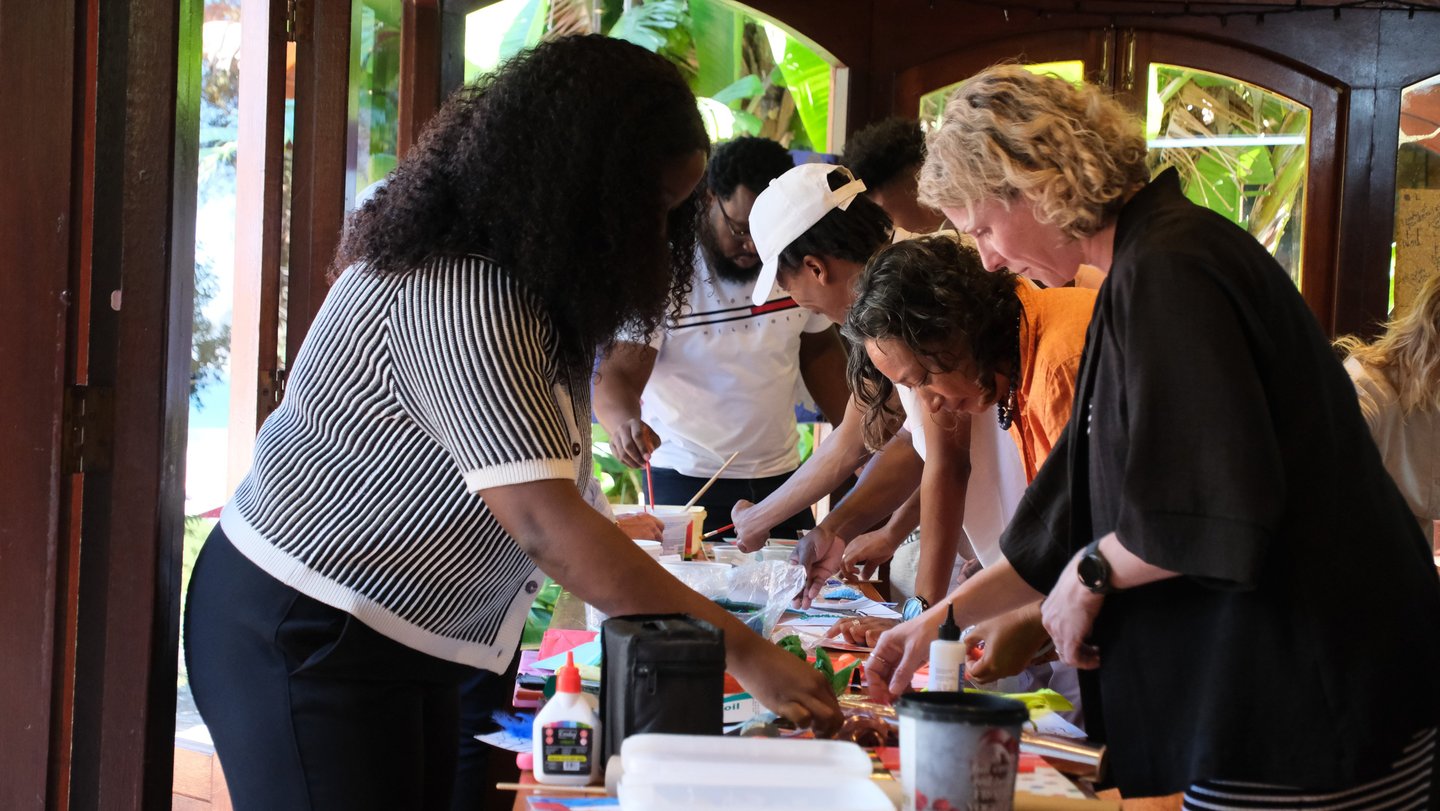
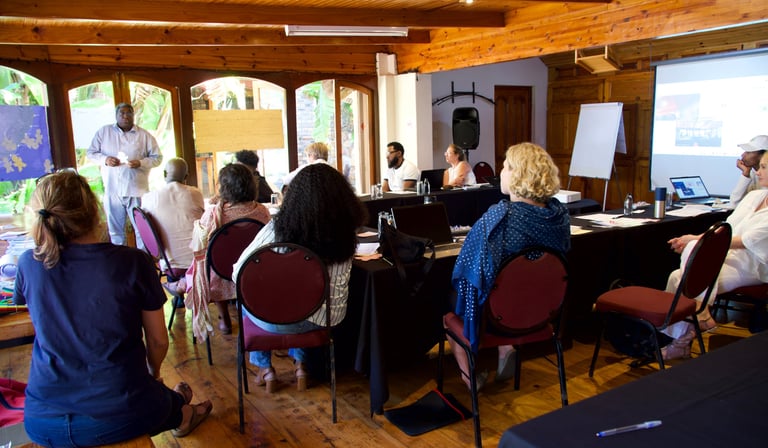
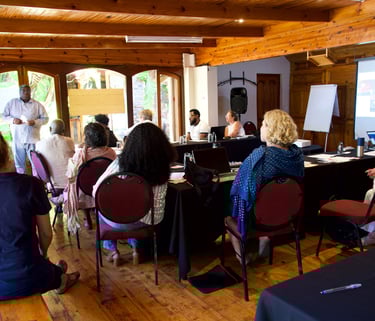
This first MOSAIC workshop laid the foundation for an inclusive process that will continue to bring together diverse perspectives in shaping a just and climate-smart future for South Africa’s oceans.

Click below to watch a video recapping the workshop!
First Round of Stakeholder Engagement
Port Nolloth
06 - 07 May 2026
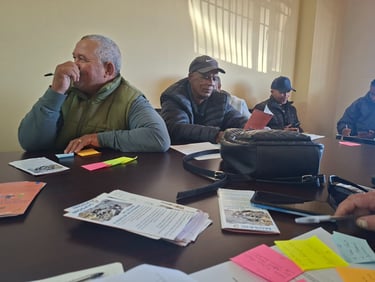
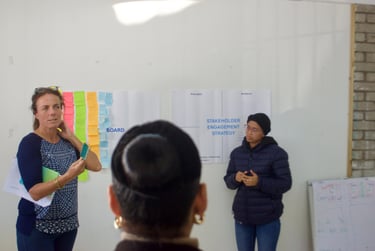
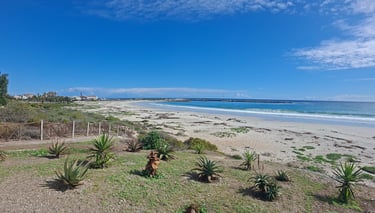
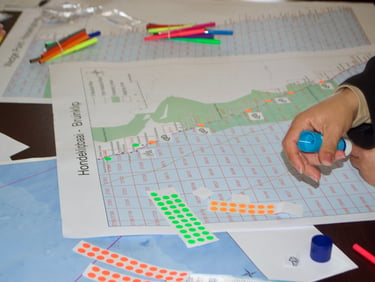
An inspiring two days of engagement along the West Coast, connecting directly with communities around the Whole-of-Society approach to MSP and collaborative ocean governance in Port Nolloth, hosted at the Conservation South Africa offices near the Namibian border.
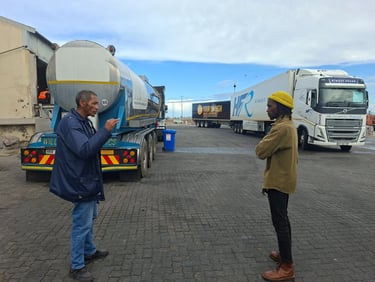
The MOSAIC team recently hosted its first successful community workshop, bringing together local stakeholders — fishermen, diamond miners, community representatives, and other voices connected to the coast — to share insights, perspectives, and ideas on the future of our marine spaces. Representatives from the small-scale fishing communities of Port Nolloth, Alexander Bay, and Hondeklipbaai participated in discussions that highlighted the importance of inclusive participation in shaping sustainable coastal and ocean development. It was encouraging to witness both young and old in such active participation, meaningful conversations, and a genuine willingness to share experiences throughout the sessions. A special thank you to the hospitable people of the coast and to everyone who contributed their voices and perspectives. The momentum continued the following day with a similar workshop involving the Provincial Coastal Committee and other stakeholders, including SANParks Namaqua, DFFE, SAMSA, and additional officials in the Port Nolloth area. These engagements further strengthened ideas around inclusivity and collaboration between communities and decision-makers along the Northern Cape coastline.
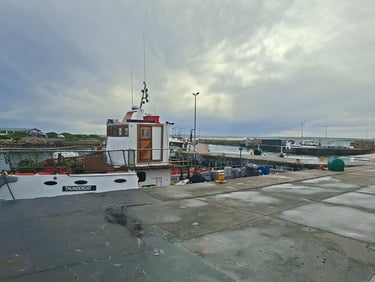
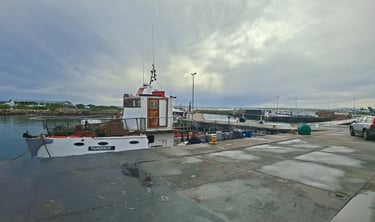
Before reaching our destination, we made a meaningful stop at the Lamberts Bay harbour, where we were welcomed by a Khoi chief working within the fisheries sector. He spoke passionately about heritage, livelihoods, and the community’s desire for greater development opportunities in the area — while also emphasizing the continued need for inclusion and recognition. With two more coastal stops ahead, we look forward to building on these engagements as we continue to make progress in awareness, participation, and collaboration through the Whole-of-Society approach to MSP.
Participate in the MOSAIC National Survey
We invite all stakeholders with an interest in ocean sustainability, governance, conservation, coastal livelihoods, and the blue economy to take part in the MOSAIC National Survey. Your perspectives and experiences will help identify priorities, challenges, opportunities, and knowledge gaps related to sustainable ocean management. The results will contribute directly to the development of the project and ensure that diverse voices are reflected in its outcomes. Whether you are a practitioner, policymaker, researcher, industry representative, community member, or civil society actor, we encourage you to share your views by completing the survey and circulating it within your networks.

For inquiries related to the request or to propose avenues for collaboration, contact us at: